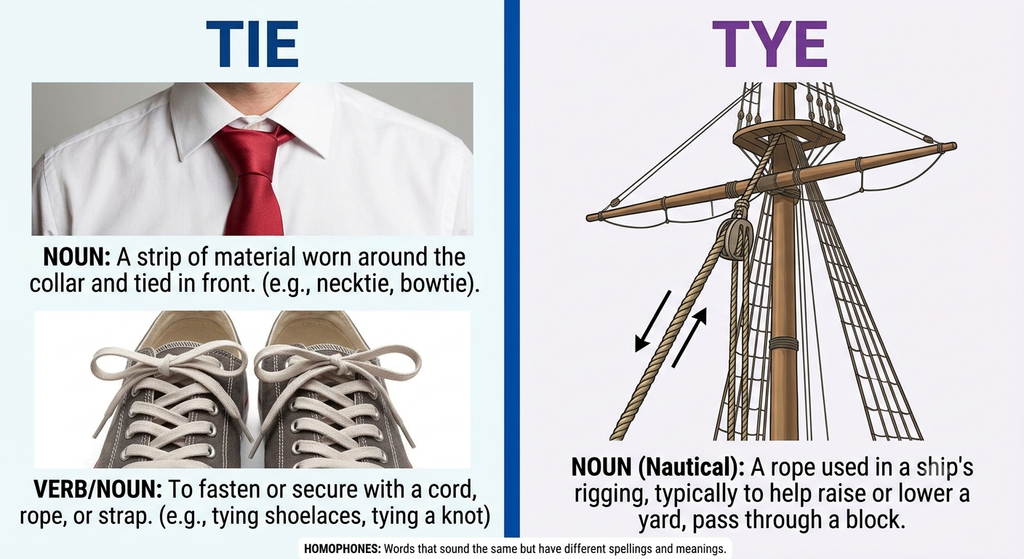
“Tie” and “Tye” sound the same when spoken, but they are not interchangeable in modern English. For ordinary everyday writing, “tie” is the correct spelling. It can mean to fasten…
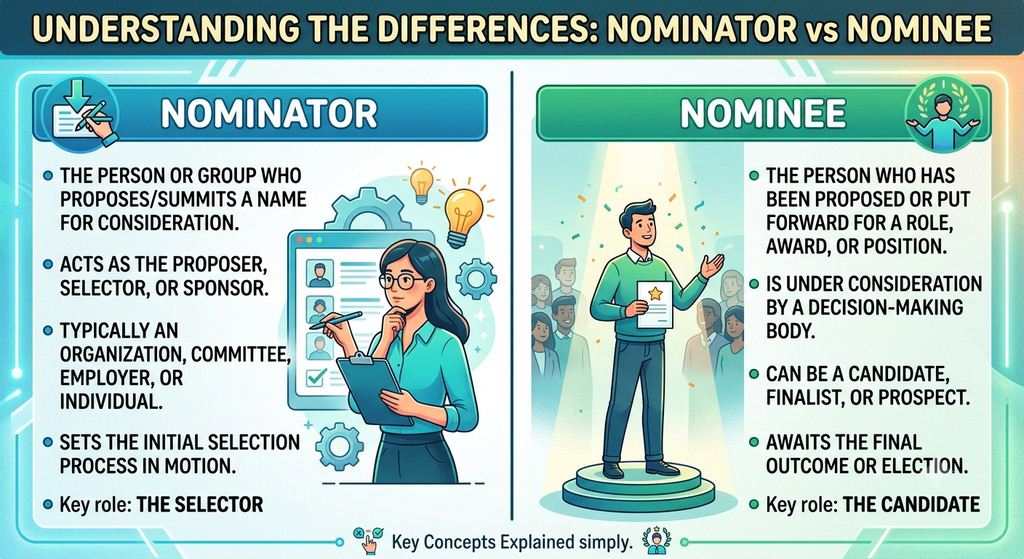
“Nominator” and “nominee” are closely related words, but they describe two different people or roles in a nomination process. A nominator is the person or organization that puts someone forward,…
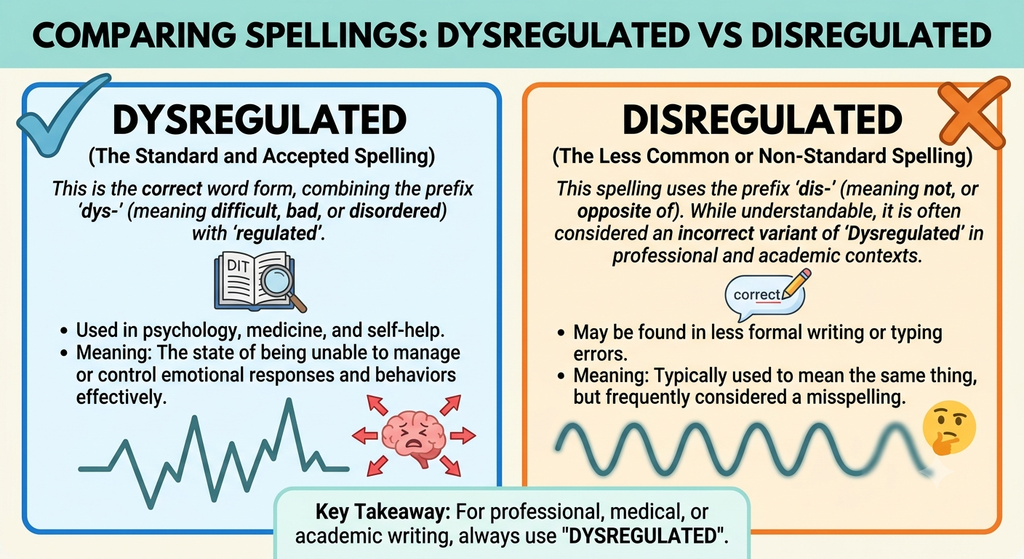
Dysregulated and disregulated are easy to confuse because both look as though they could describe something that is not being properly regulated. In standard English, however, dysregulated is the established…
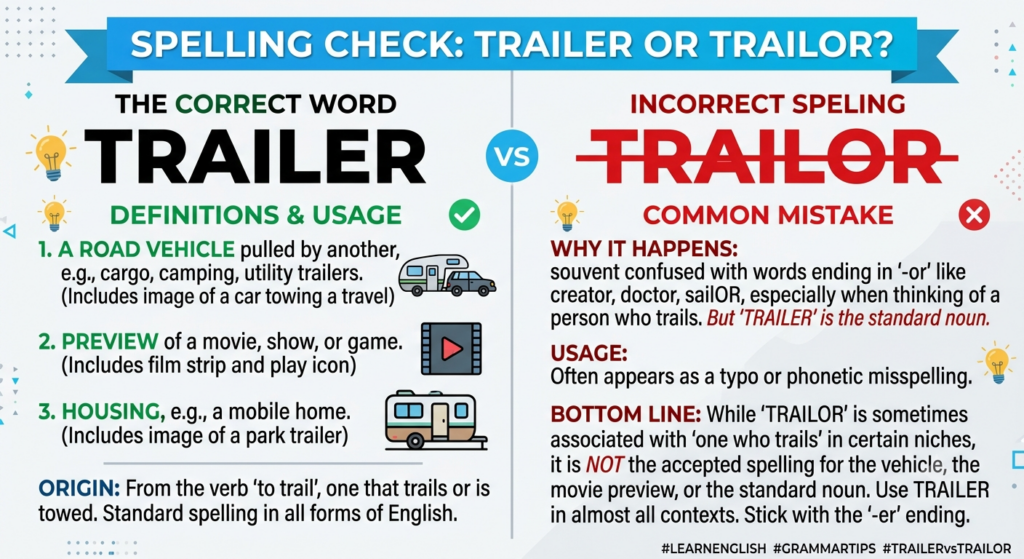
“Trailer” and “trailor” sound almost identical when spoken, which is why many people become unsure about the correct spelling. The correct English word is “trailer,” ending in “-er.” The spelling…
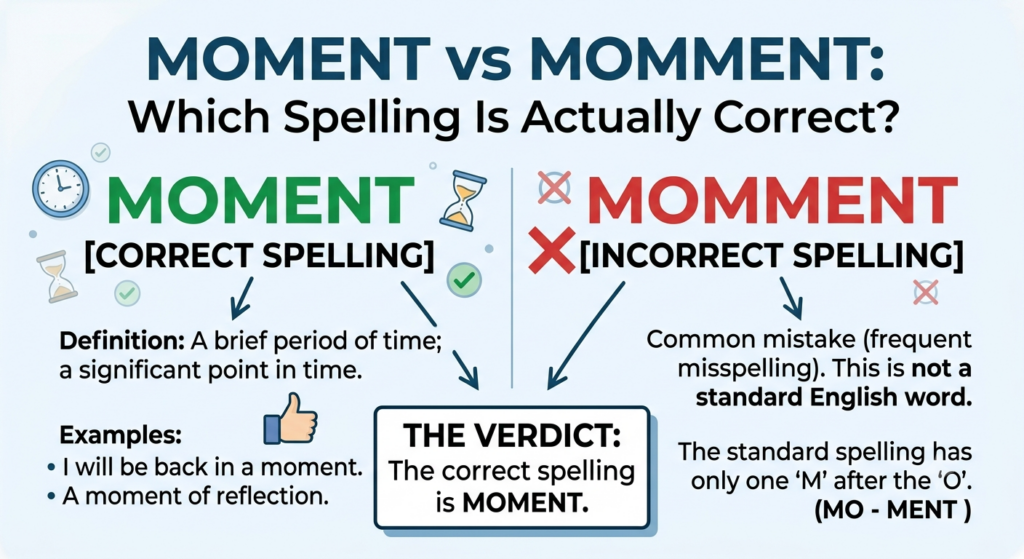
“Moment” and “momment” may look similar, but only one spelling is correct in standard English. The correct word is “moment,” with a single “m” in the middle. “Momment” is a…
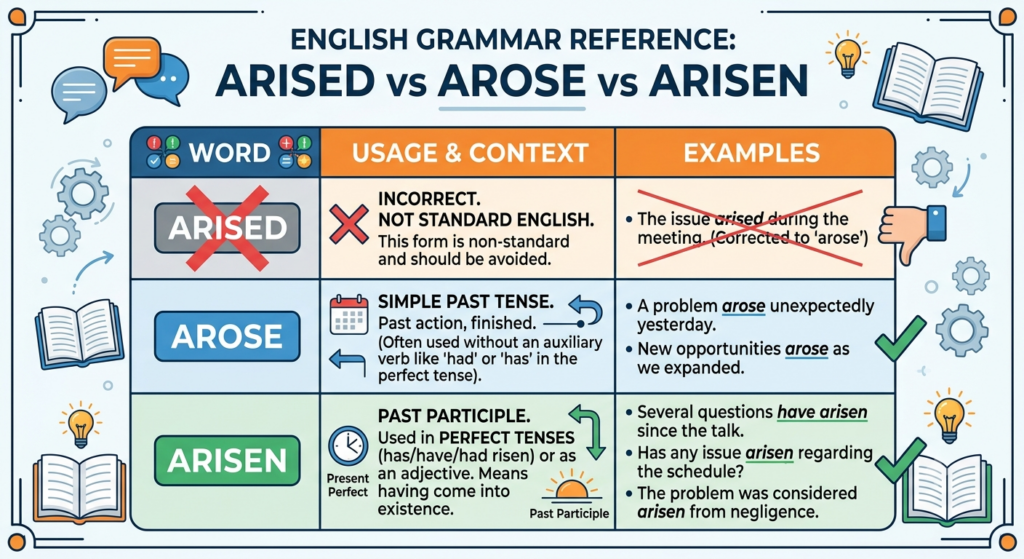
“Arised,” “arose,” and “arisen” can easily cause confusion because they all seem like possible forms of the verb “arise.” Only two of them, however, are correct in standard English. The…
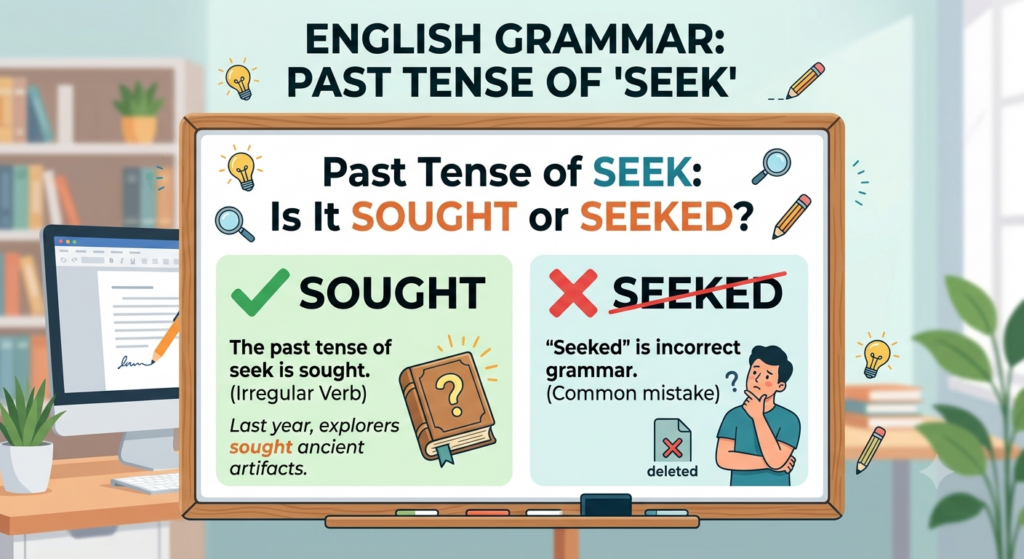
The past tense of “seek” is “sought.” Because “seek” is an irregular verb, it does not form its past tense by simply adding “-ed.” This is why “seeked” may sound…
“Which of the following” is a common English phrase that appears in exams, quizzes, surveys, application forms, and classroom exercises. It tells the reader to choose one or more answers…
“Trash” and “garbage” are two everyday words for things people throw away, so it is easy to assume they mean exactly the same thing. In modern American English, they often…
Is it “cancellation” or “cancelation”? This spelling question can be surprisingly confusing because the verb “cancel” changes differently in some forms of American and British English. You may have seen…