“To bad” and “too bad” sound exactly the same when spoken, so it is easy to understand why people mix them up. In writing, however, only one form is normally…
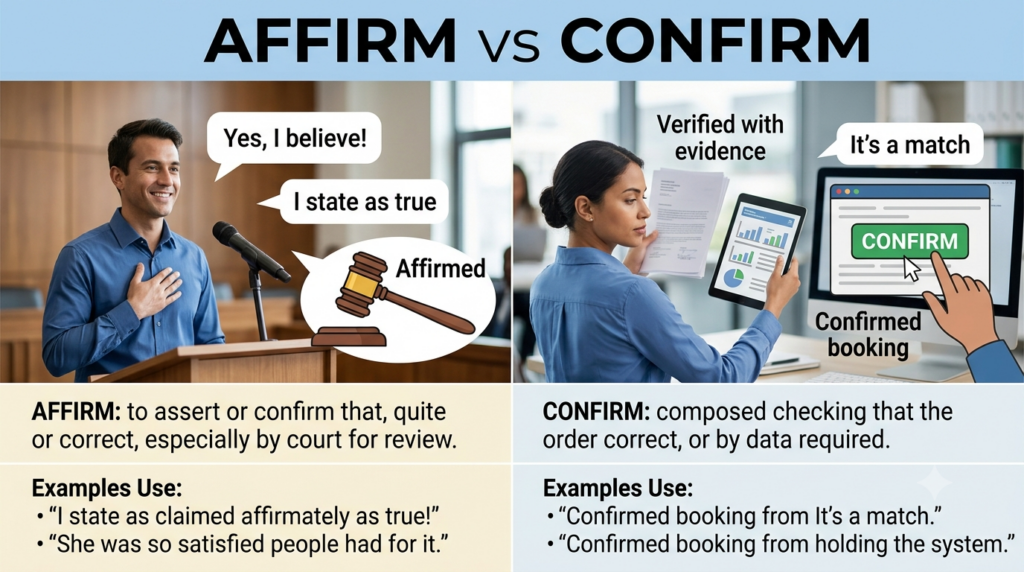
The words “affirm” and “confirm” can look very similar at first. Both are connected with truth, certainty, and agreement. That is why English learners sometimes use one when they really…
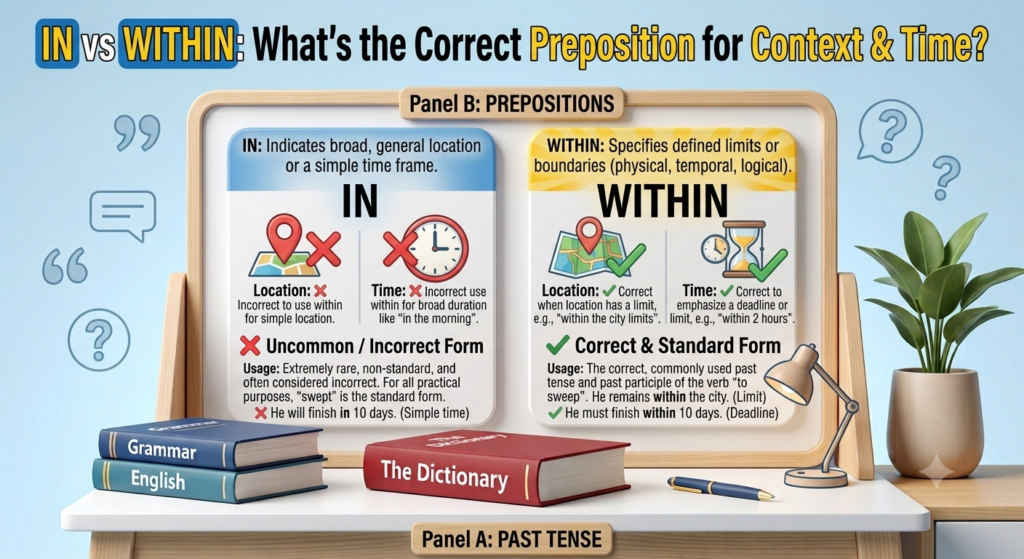
In and within are two common English prepositions that can sometimes appear to mean the same thing. Both can describe time, location, position, and limits, but they are not interchangeable…
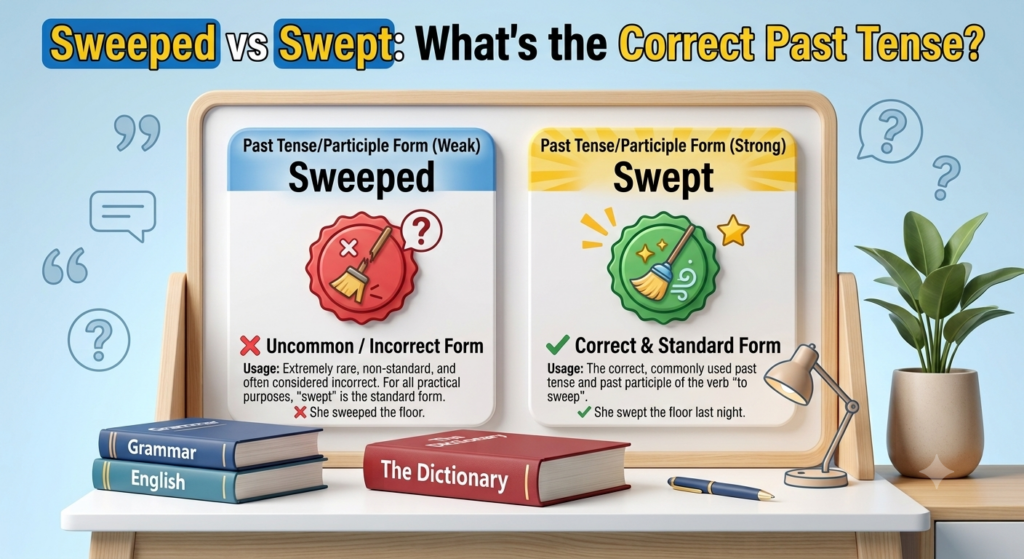
If you have ever written “sweeped” and immediately wondered whether it looked right, you are not alone. The confusion makes sense because hundreds of English verbs form their past tense…
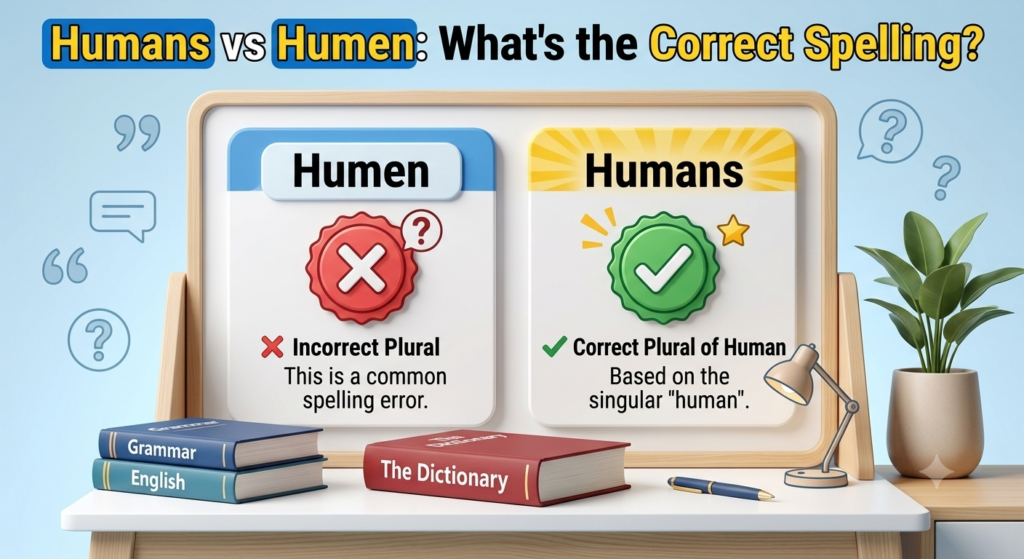
If you are wondering whether the correct plural is humans or humen, the answer is simple: humans is the standard plural form of human. The confusion is understandable. English changes…
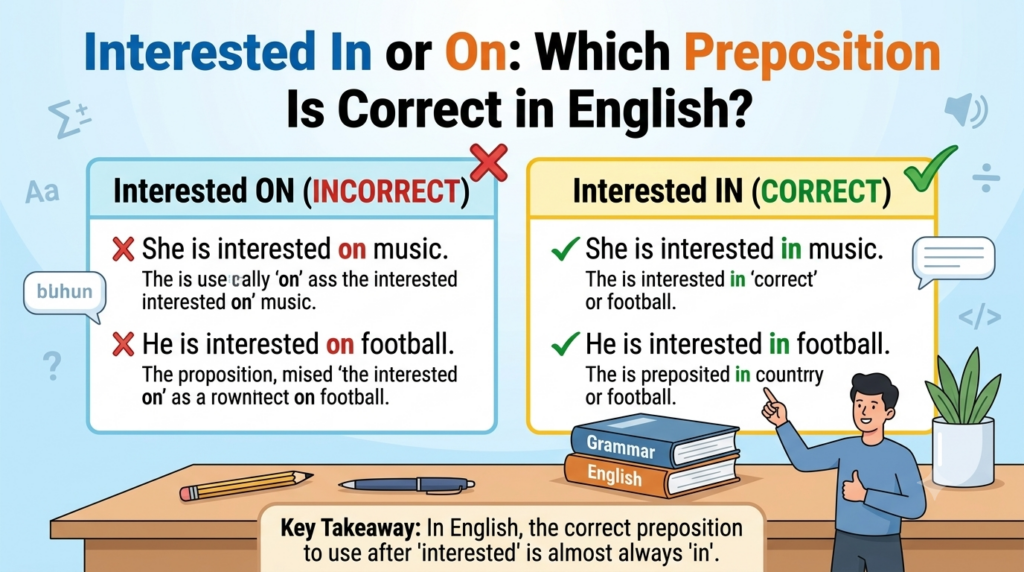
Choosing between “interested in” and “interested on” can feel confusing because both in and on are common English prepositions. However, when interested describes curiosity, enthusiasm, attraction, or a desire to…
Paid and payed look so similar that it is easy to assume they are simply two spellings of the same word. They are not. In standard English, paid is the…
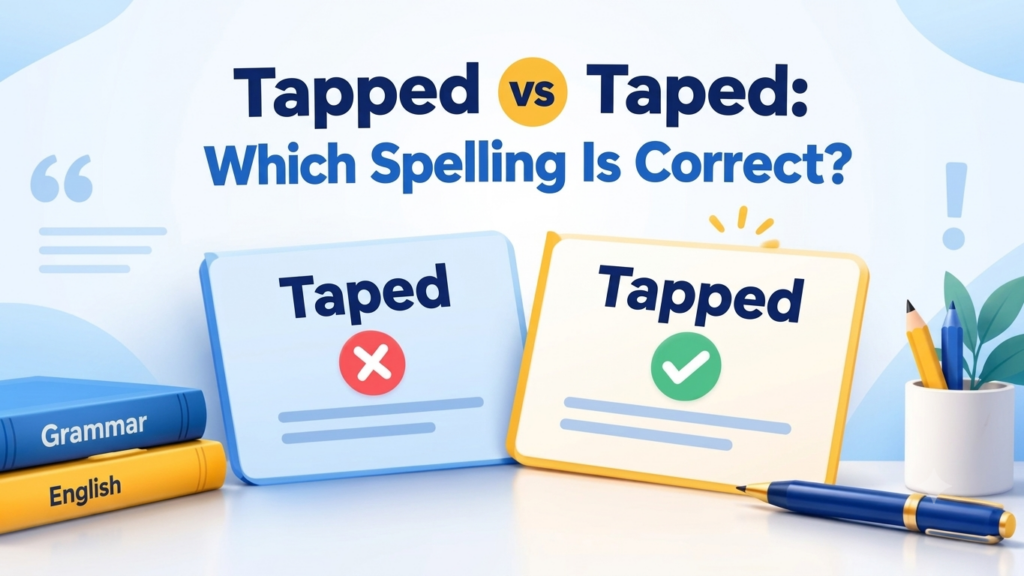
One missing letter can completely change the action being described. “Tapped” and “taped” look surprisingly similar on the page, yet they come from different verbs and carry very different meanings.…
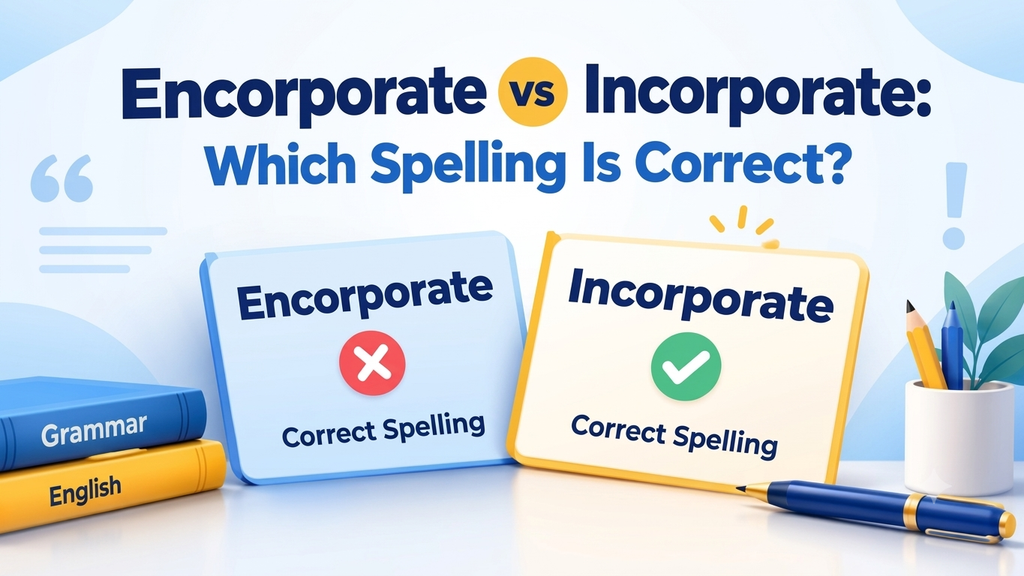
A single vowel can turn a perfectly useful English word into a spelling mistake. That is exactly what happens with “encorporate” and “incorporate.” They may sound nearly identical in conversation,…
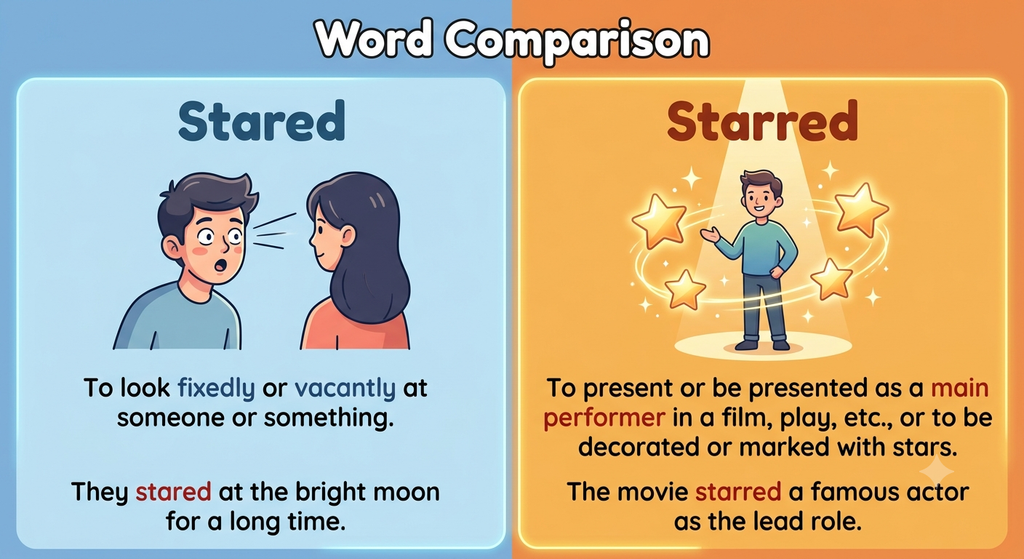
“Stared” and “starred” are easy to confuse because they differ by only one letter and sound very similar in everyday speech. Their meanings, however, are completely different. “Stared” is the…